Gadgets · Science
Tech
I love tech. At home I’m the guy testing every new gadget, and the one who complains the loudest when it doesn’t do what it should. That’s why I write snarky.tech.
At work the gadgets get a lot bigger. At Yale, I use light, electrodes, cameras and magnetic pulses to record and stimulate the brain while people talk, make eye contact and play together. This page brings both sides together, and I’ll keep adding to it.
Tech in the lab
In the Brain Function Laboratory at Yale, we study what happens in the brain during real, live interaction between people. That takes a lot of gear (and a lot of cables). Here are the main tools I work with, with a couple of our papers for each.
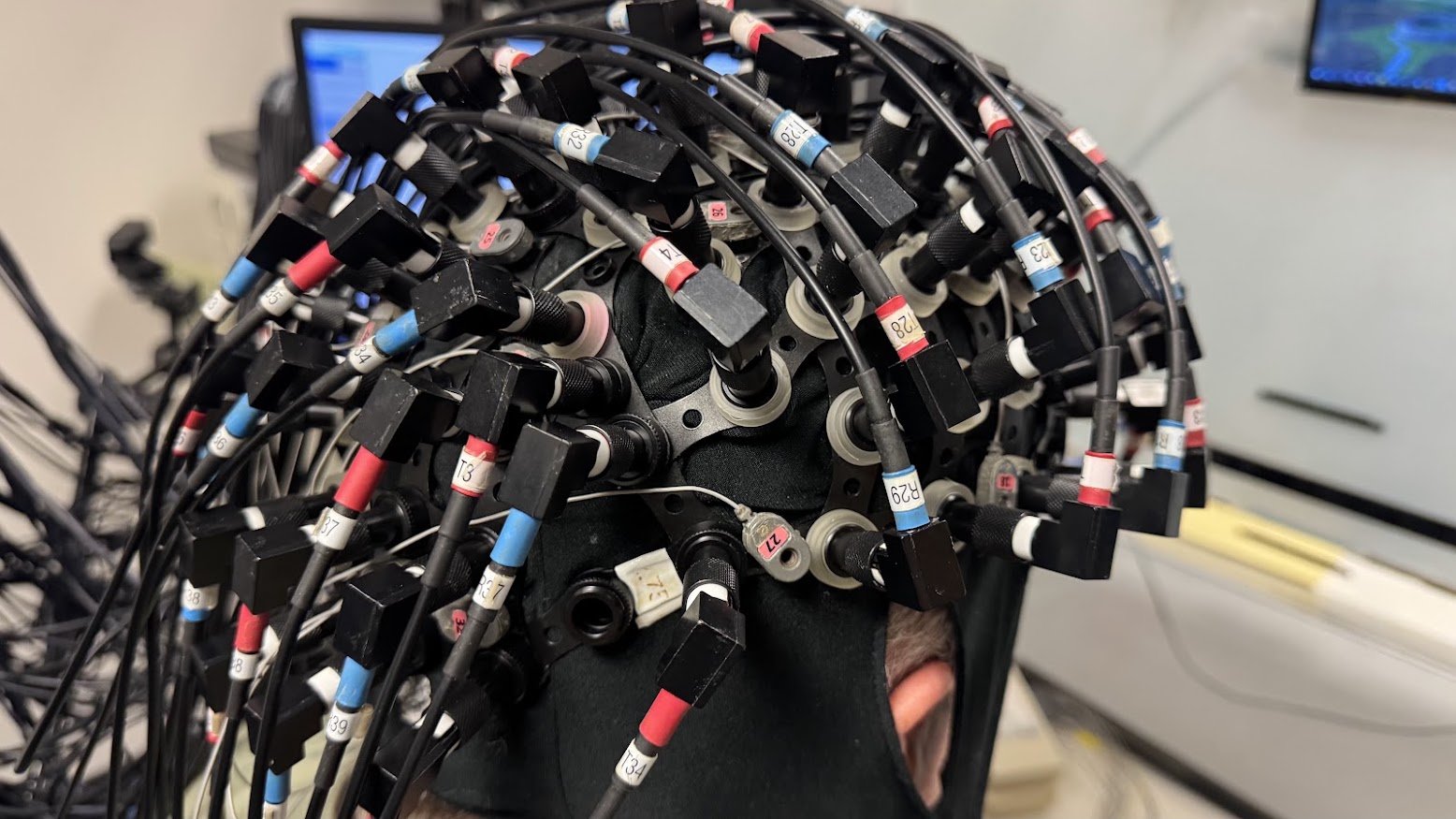
Up close with an fNIRS cap: each optode sends or picks up near-infrared light
fNIRS
Functional near-infrared spectroscopy shines harmless near-infrared light through the scalp to measure blood oxygen in the brain. Unlike an MRI scanner, you can wear it sitting at a table, talking face to face. It’s the workhorse of our lab.
- Comparison of short-channel separation and spatial domain filtering for removal of non-neural components in fNIRS signalsNoah et al., Neurophotonics, 2021
- Separation of the global and local components in fNIRS signals using principal component spatial filteringZhang, Noah & Hirsch, Neurophotonics, 2016
Hyperscanning
Instead of one person alone in a scanner, we record two people at the same time while they look at each other, talk or play. Then we measure how their brain signals line up across the two heads.
- Frontal temporal and parietal systems synchronize within and across brains during live eye-to-eye contactHirsch, Zhang, Noah & Ono, NeuroImage, 2017
- Real-time eye-to-eye contact is associated with cross-brain neural coupling in angular gyrusNoah et al., Frontiers in Human Neuroscience, 2020
EEG
Electrodes on the scalp pick up the brain’s electrical rhythms millisecond by millisecond. fNIRS tells us where, EEG tells us when, so we often record both at once.
- Co-localization of theta-band activity and hemodynamic responses during face perception: simultaneous EEG and fNIRS recordingsDravida et al., Neurophotonics, 2019
- Multiscale neural signatures of long-lag repetition learning: a simultaneous fNIRS–EEG studyRen et al., Neurophotonics, 2026

Face tracking maps facial movements point by point
Eye & face tracking
Eye trackers record exactly where someone is looking, and face-tracking software reads expressions frame by frame. Together they tell us what each partner is actually seeing and doing during a live interaction.
- Spatiotemporal processing of real faces is modified by visual sensingKelley et al., NeuroImage, 2025
- Neural mechanisms for emotional contagion and spontaneous mimicry of live facial expressionsHirsch, Zhang, Noah & Bhattacharya, Phil. Trans. R. Soc. B, 2023
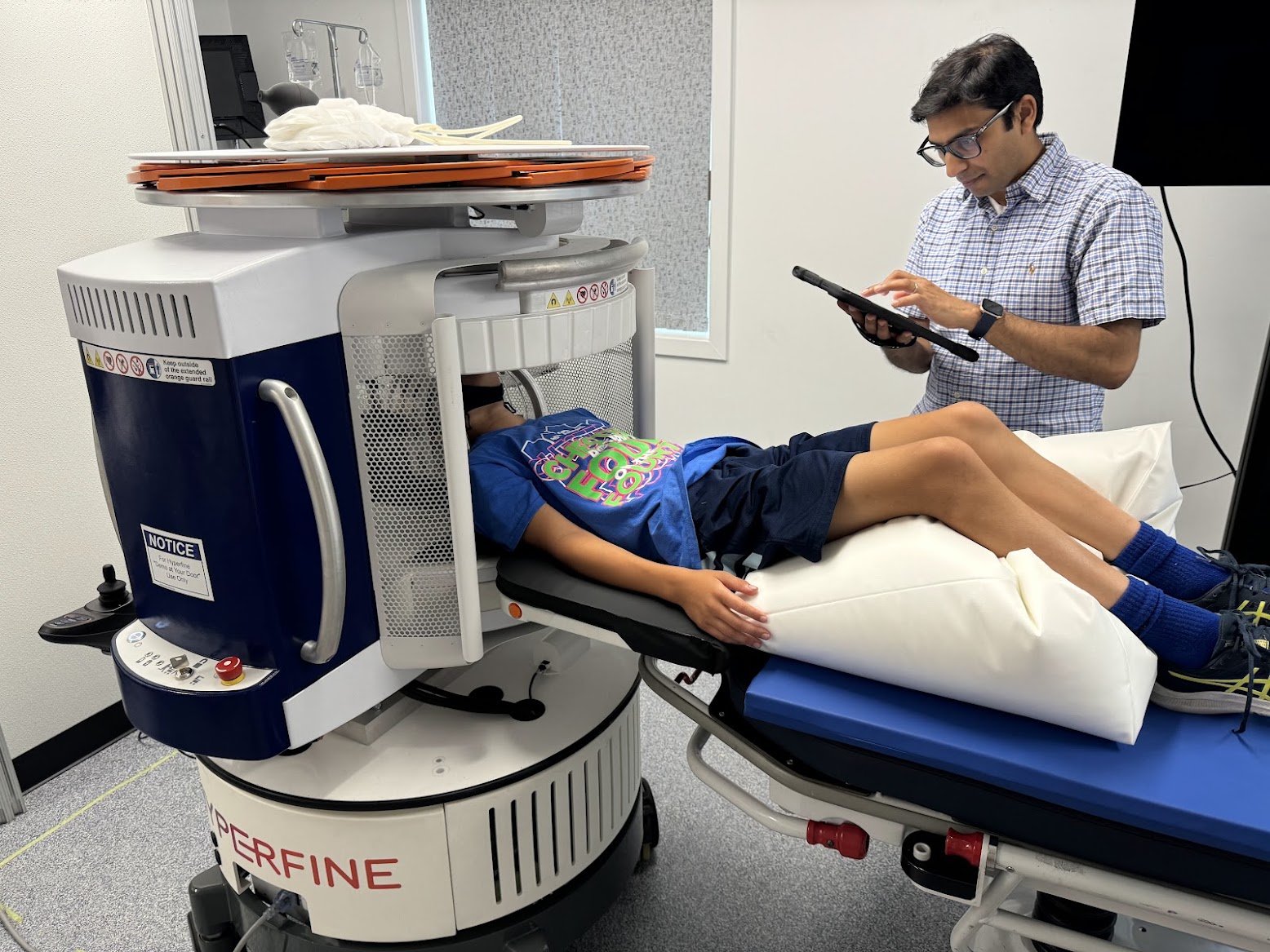
One of my kids testing our portable low-field MRI scanner, which rolls right up to the bed
MRI & fMRI
The MRI scanner gives the sharpest picture of where brain activity happens, but you usually have to lie still inside a tube. We use fMRI as the gold standard to check that fNIRS is measuring the right thing. Lately I’ve been testing a portable low-field MRI scanner that rolls right up to a bed (my own kids were early test subjects), and we want to use it a lot more.
- fMRI validation of fNIRS measurements during a naturalistic taskNoah et al., Journal of Visualized Experiments, 2015
- Activation of dorsolateral prefrontal cortex in a dual neuropsychological screening test: an fMRI approachTachibana et al., Behavioral and Brain Functions, 2012
TMS & TIS
Recording shows which brain areas light up. Stimulation lets us test whether they’re really needed. TMS uses a quick magnetic pulse to briefly nudge a small patch of cortex, and temporal interference stimulation (TIS) overlaps two gentle electrical fields to reach deeper targets without surgery. We pair stimulation with fNIRS while people look at faces.
Machine learning
Two people, dozens of channels each, plus eye tracking and video add up to a mountain of data. We train machine-learning models to find the patterns, for example to predict autism symptom scores from brain responses to eye contact.
- Support vector machine prediction of individual ADOS scores based on neural responses during live eye-to-eye contactZhang et al., Scientific Reports, 2024
- Deep multimodal representations and classification of first-episode psychosis via live face processingSingh et al., Frontiers in Psychiatry, 2025
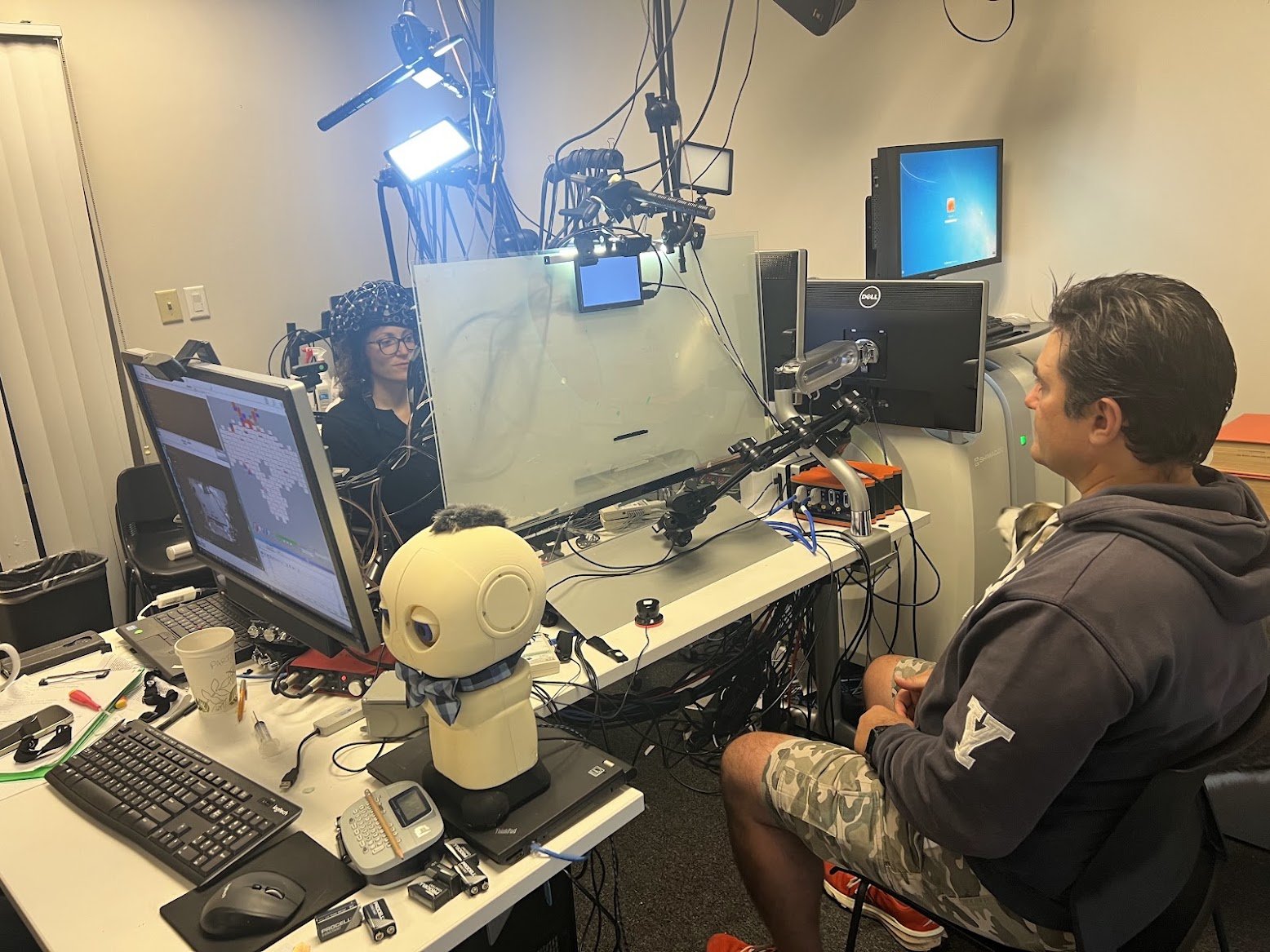
A participant faces a small humanoid robot while we record with fNIRS and EEG
Social robots
Is making eye contact with a robot the same as making eye contact with a person? We sit people across from a small humanoid robot and compare their brain responses to a real human partner. We compare how the brain responds to a robot versus a real person across the table, and so far the brain can tell the difference. Next up: a four-legged partner. A paper on our studies with Aibo, the lab husky, is coming soon.
- Comparison of neural responses during eye-to-eye contact with a human partner and a humanoid robot partner using fNIRS (Kelley et al., Society for Social Neuroscience, 2019)
- Simultaneous fNIRS-EEG reveals theta band differences for a human as compared to a robot control (Kelley et al., Society for Neuroscience, 2021)

Behind the scenes: lab wiring, and a GPIO board like the ones I use to sync our devices
Hardware & sync
None of this works unless every device agrees on the time. I design and build the GPIO and Arduino setups that keep fNIRS, EEG, eye trackers and physiology in sync, even between labs in London and Japan, plus a “smart glass” window that switches from clear to opaque on cue.
- Investigating face processing in online interactions via UK–US hyperscanning using fNIRSHakim et al., Imaging Neuroscience, 2026
- More about my hardware work
Inside the lab
A few more looks around the lab. Aibo, the lab husky and service dog, has been a confederate in our studies; participants interact with him. That paper is coming soon. He also takes his supervisory role very seriously.
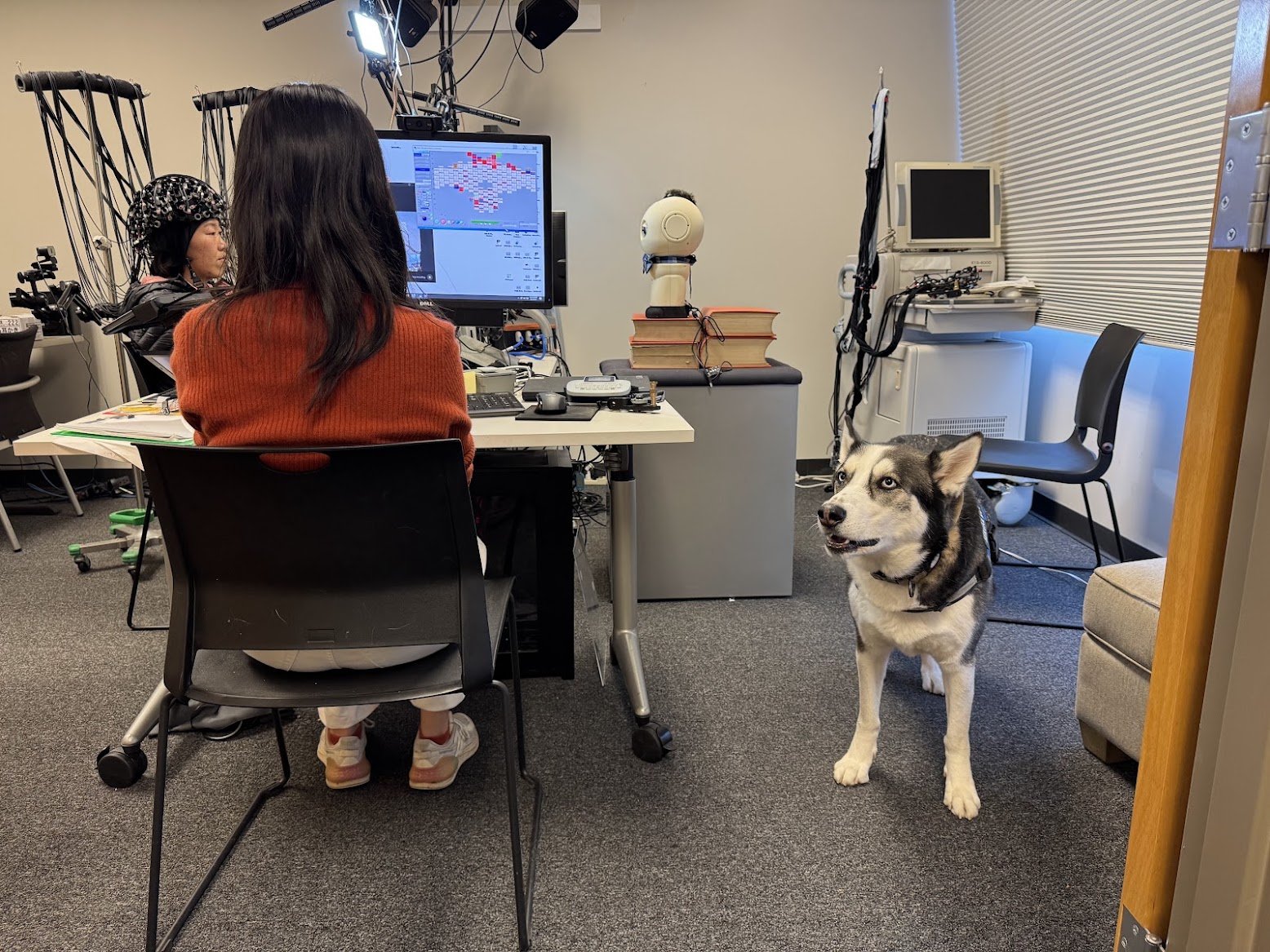
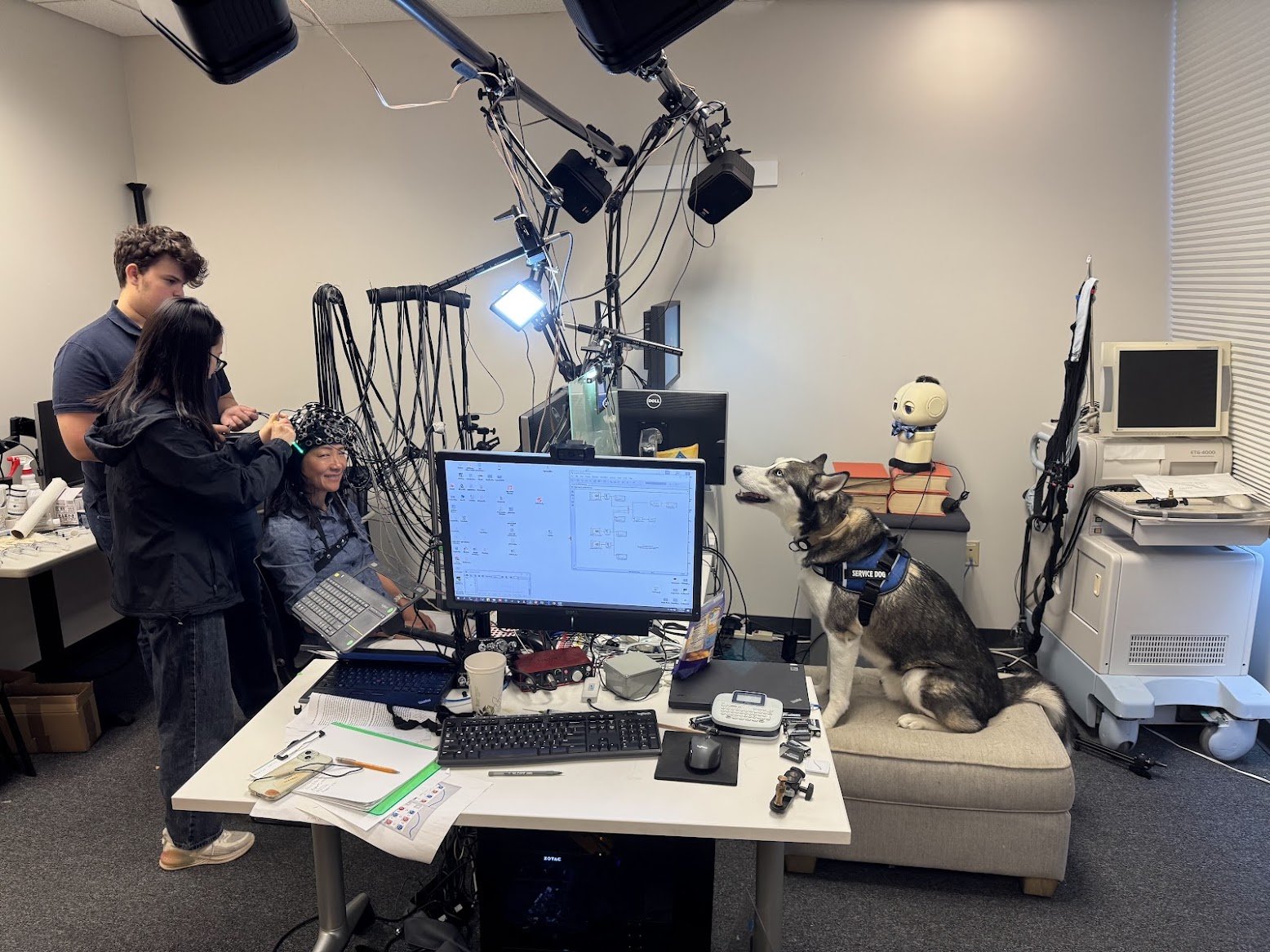


I also work with the companies that build this gear. I helped start the partnership that brought Shimadzu’s LABNIRS system to North America and Europe, and I was a scientific advisor to Gilde Healthcare when it brought two of the leading fNIRS makers, NIRx and Artinis, together.
Where the two worlds meet

Motion capture tracking movement during a dance study
Consumer gadgets in the lab
Before social neuroscience, I put consumer tech to the test in the lab: how well a Fitbit counts steps and whether a Microsoft Kinect can stand in for a pro Vicon motion-capture system.
- Comparison of steps and energy expenditure assessment in adults of Fitbit Tracker and Ultra to the Actical and indirect calorimetryNoah et al., J. Medical Engineering & Technology, 2013
- Comparative abilities of Microsoft Kinect and Vicon 3D motion capture for gait analysisPfister et al., J. Medical Engineering & Technology, 2014

At E3, where I presented on measuring brain function while playing Dance Dance Revolution
Dance video games
What does your brain do while you play Dance Dance Revolution? We recorded players with fNIRS and found that activity in frontal and temporal areas predicted how accurately they hit the steps. I got to present the work at E3, the biggest video game show there is.
- Frontotemporal oxyhemoglobin dynamics predict performance accuracy of dance simulation gameplayOno et al., NeuroImage, 2014

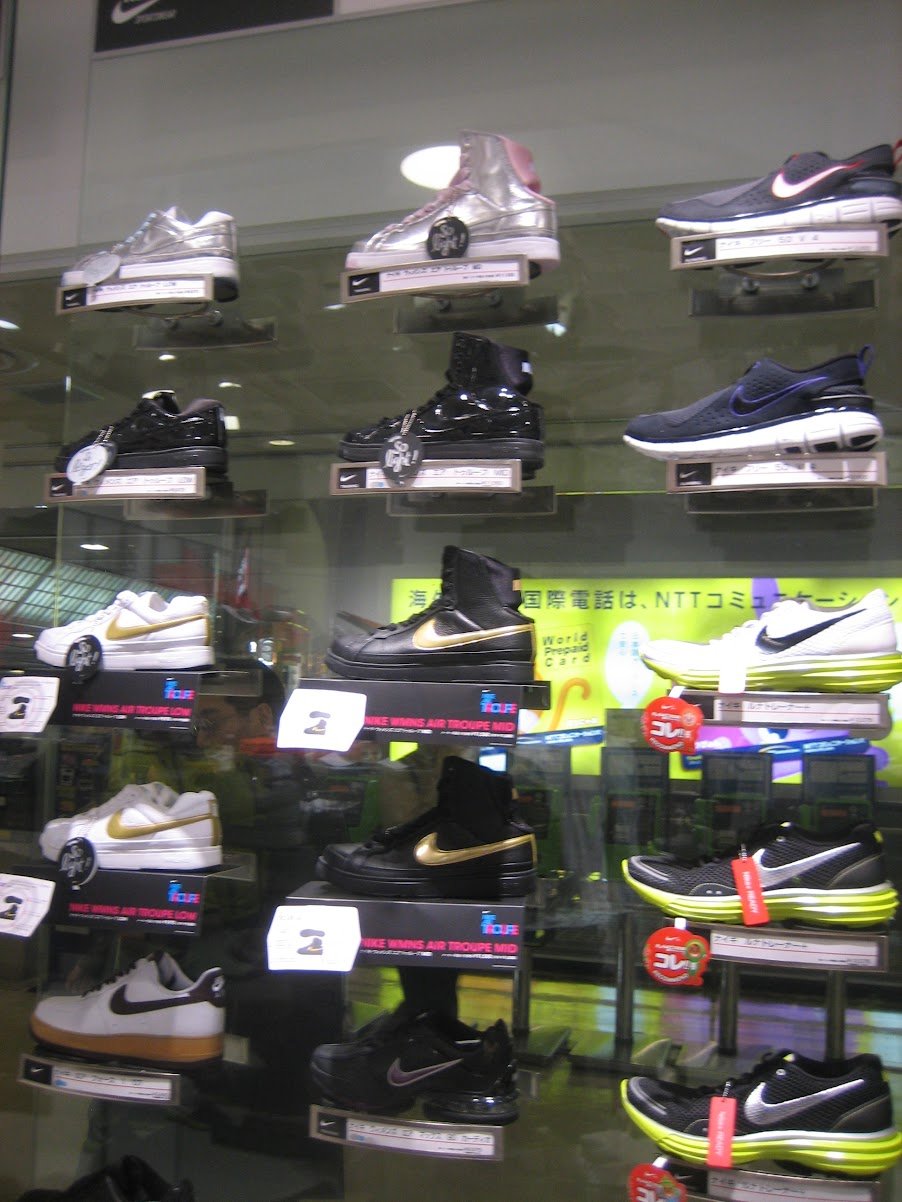
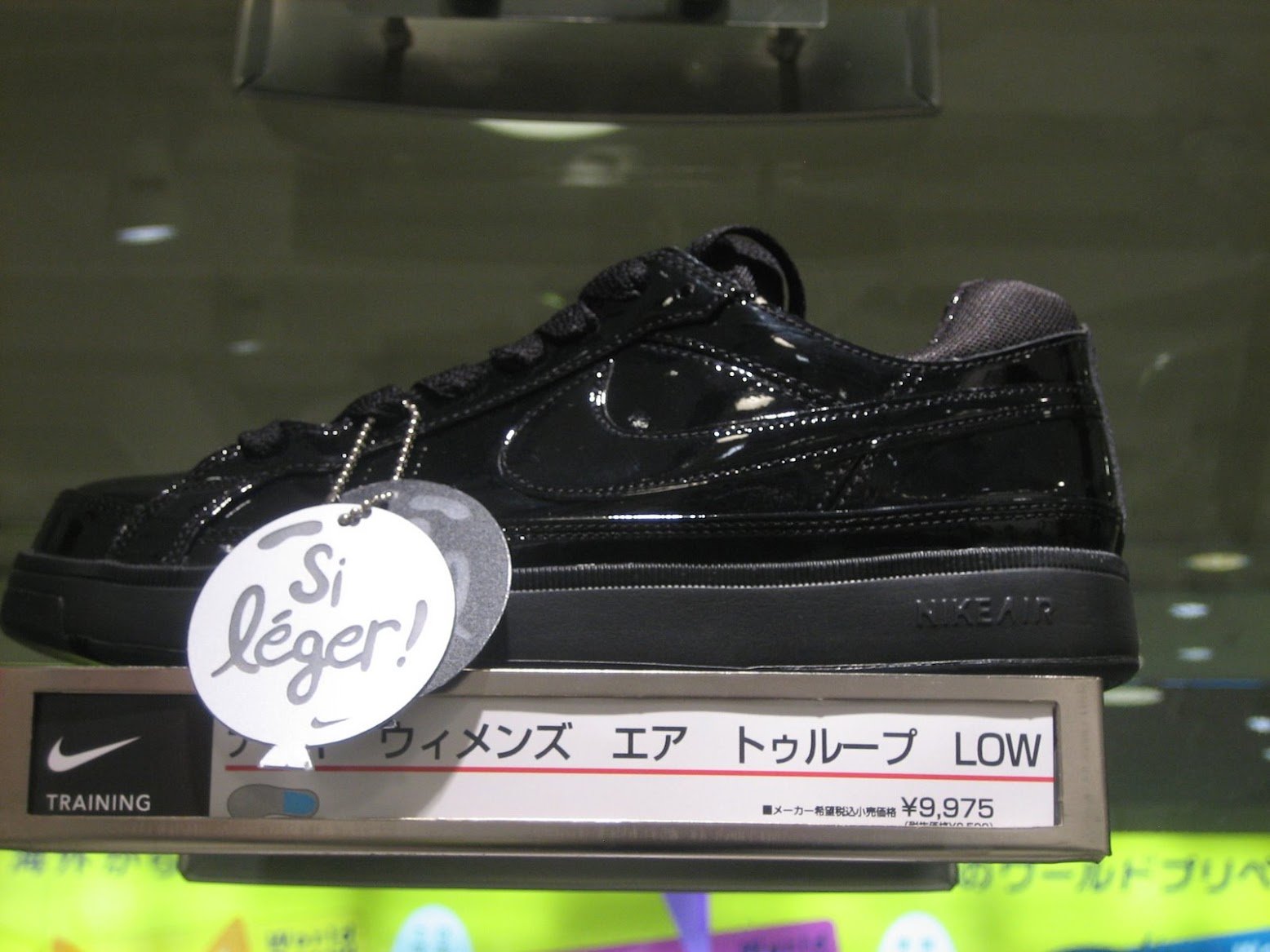
The Nike Women’s Air Troupe Mid on its display box at the Nike store in Narita airport
From motion capture to a Nike shoe
Our breakdancing motion-capture study had a practical goal: helping Nike develop a breakdancing shoe. The result was the Nike Air Troupe, sold in Korea and Japan. I spotted it on the shelf at the Nike store in Narita airport.
Consumer tech
Home base
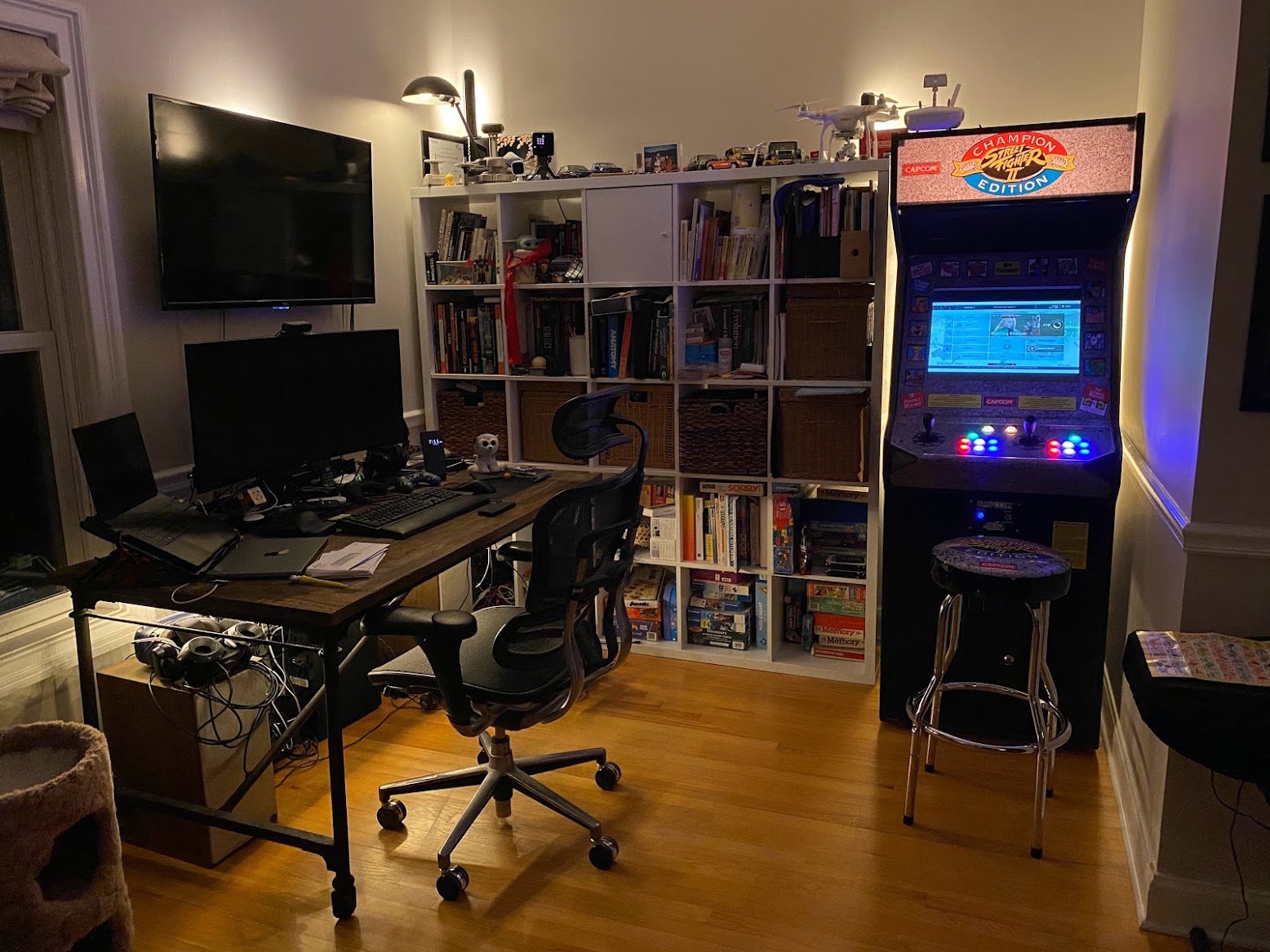
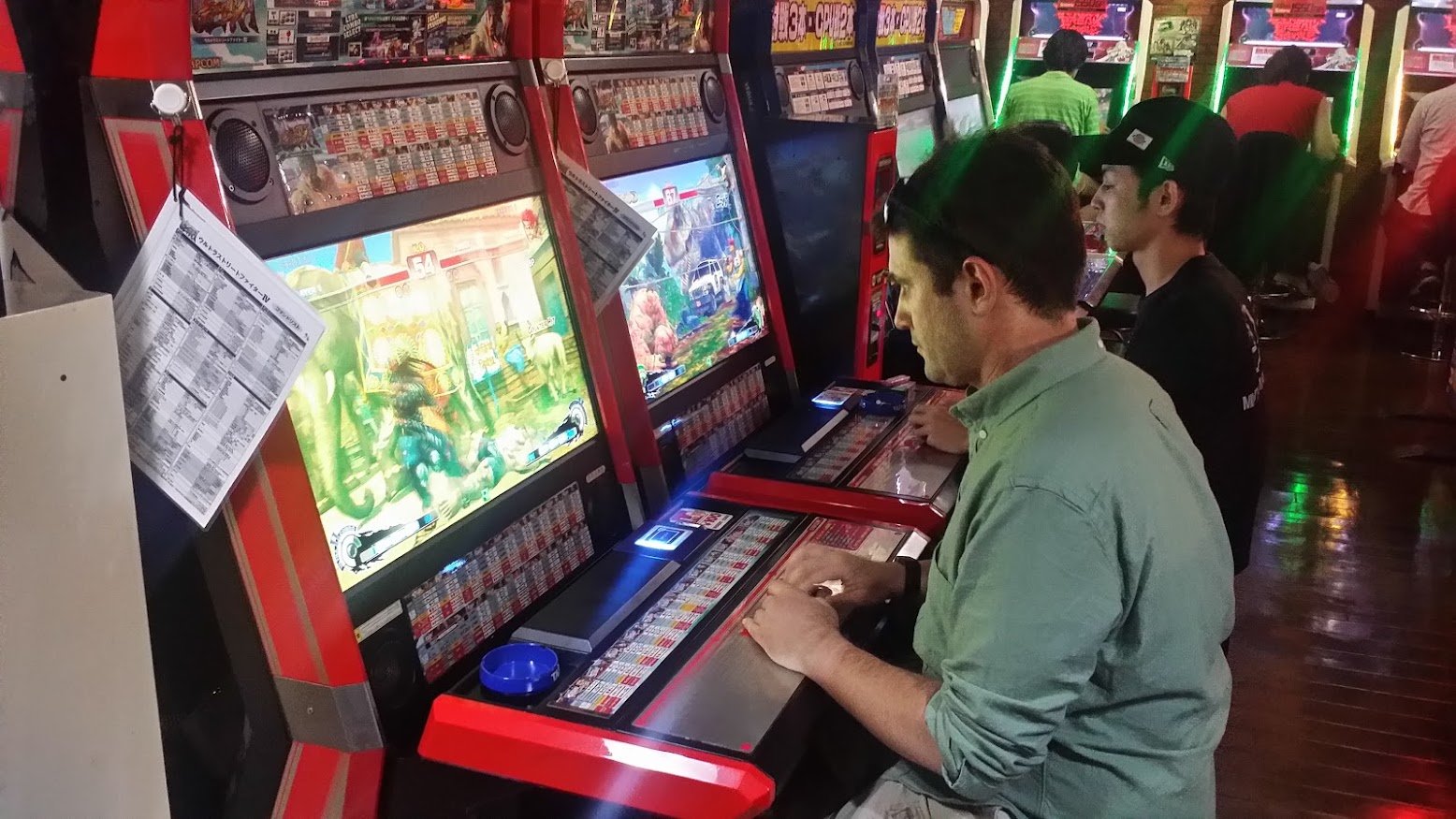
The arcade cabinet build
That cabinet didn’t start out like that. I pulled the old CRT, put in an LCD panel and rebuilt the control panel. Here’s how it went.
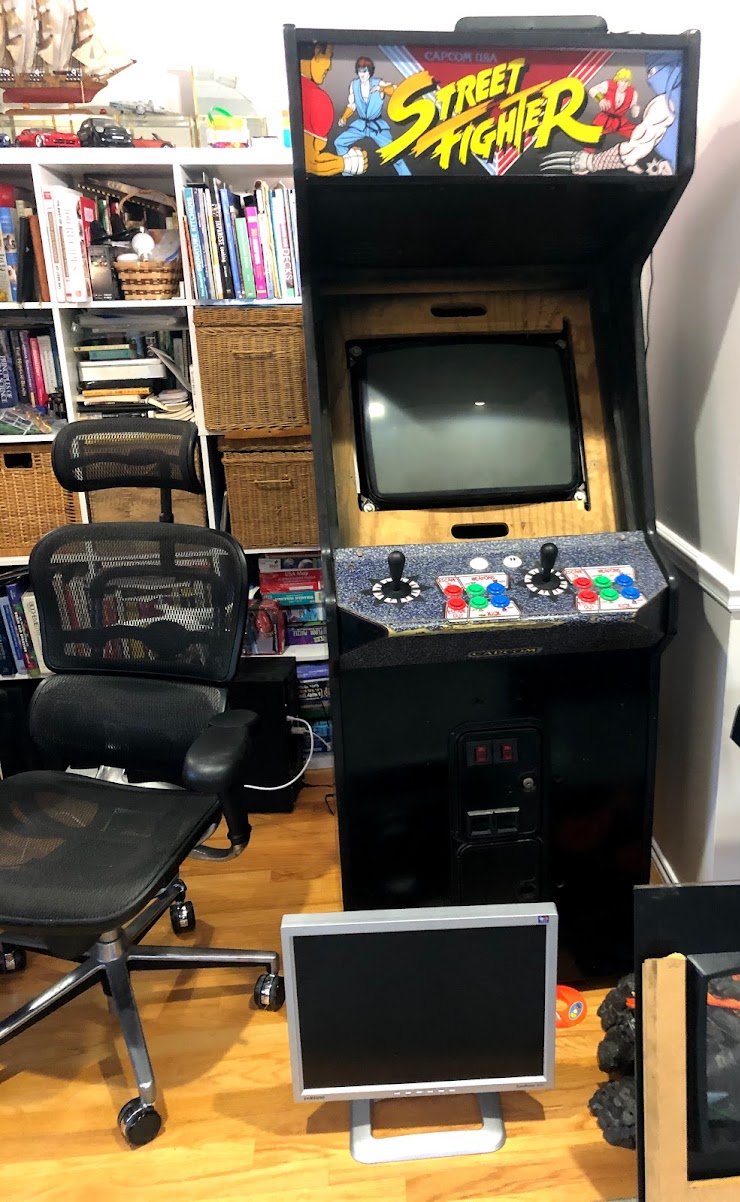
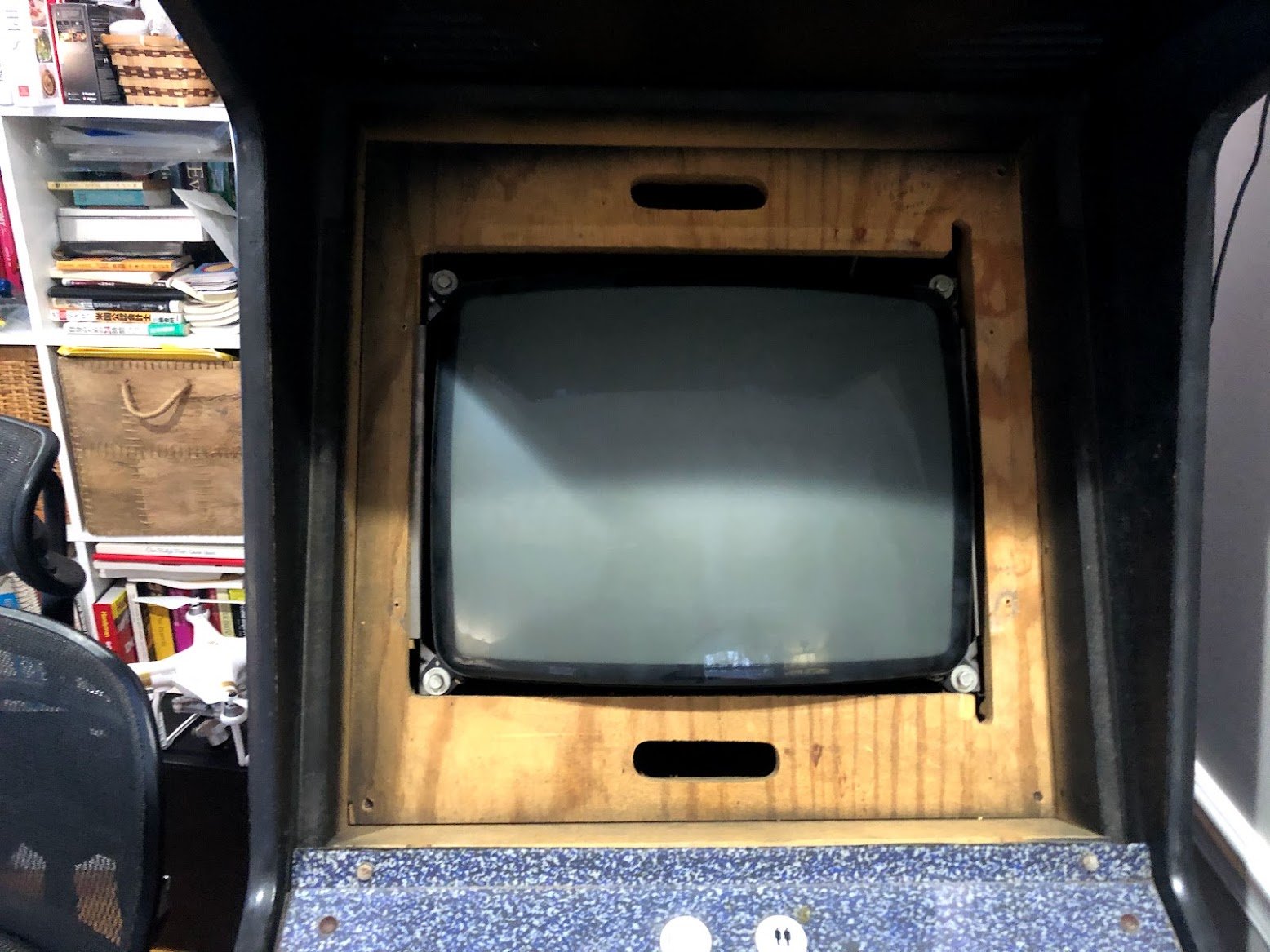
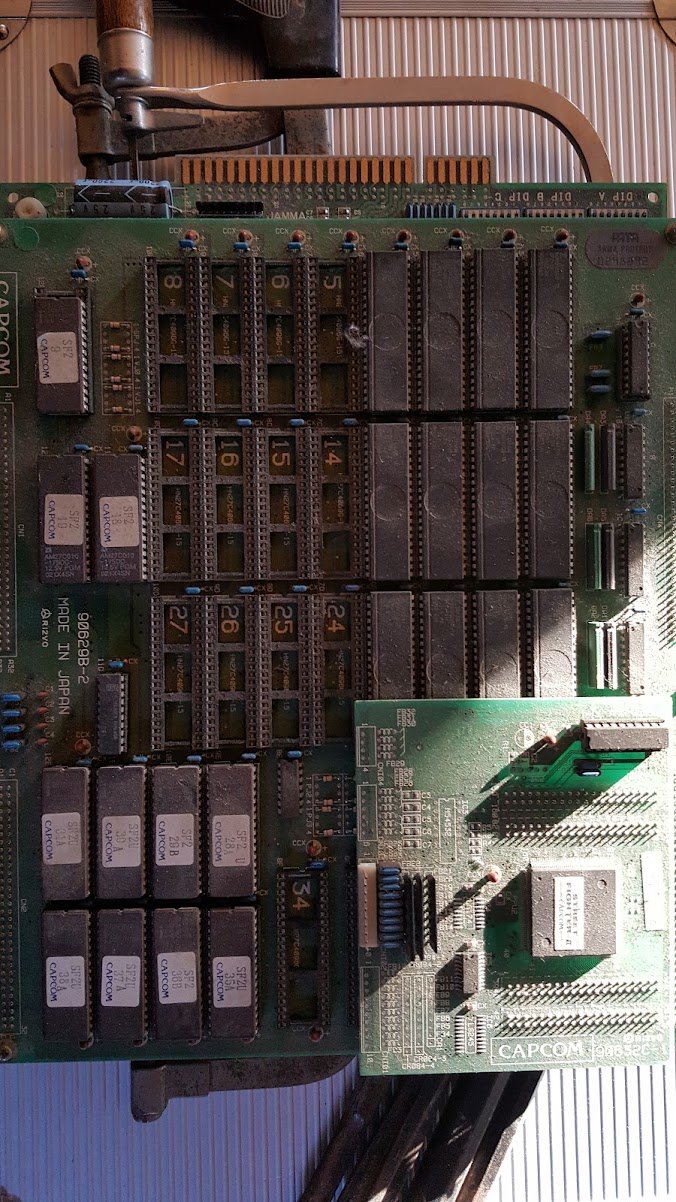
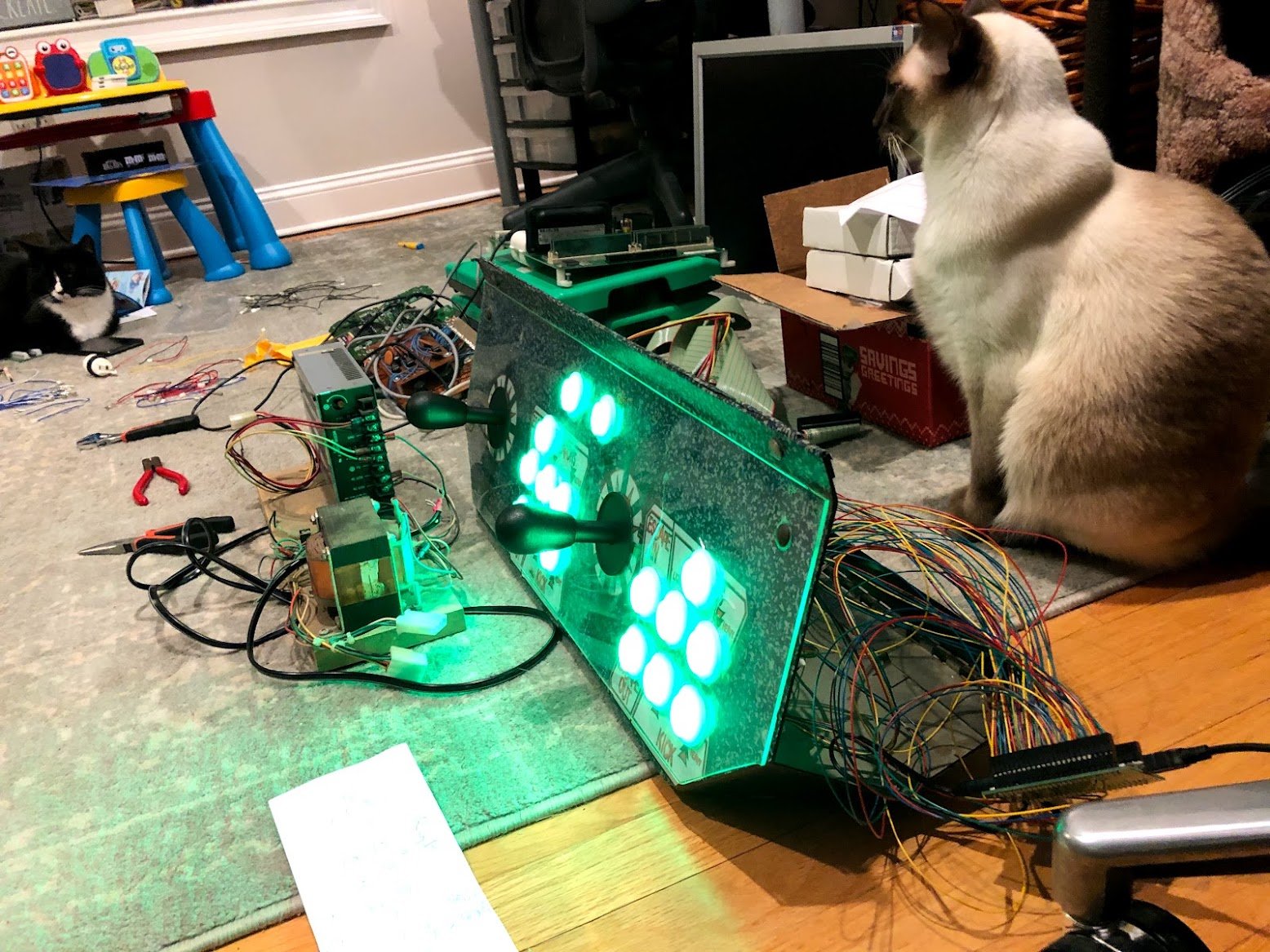
AfterAfter: the finished cabinet is the one in my home office photo above. Read the original plan on snarky.tech: Arcade cabinet modification time.
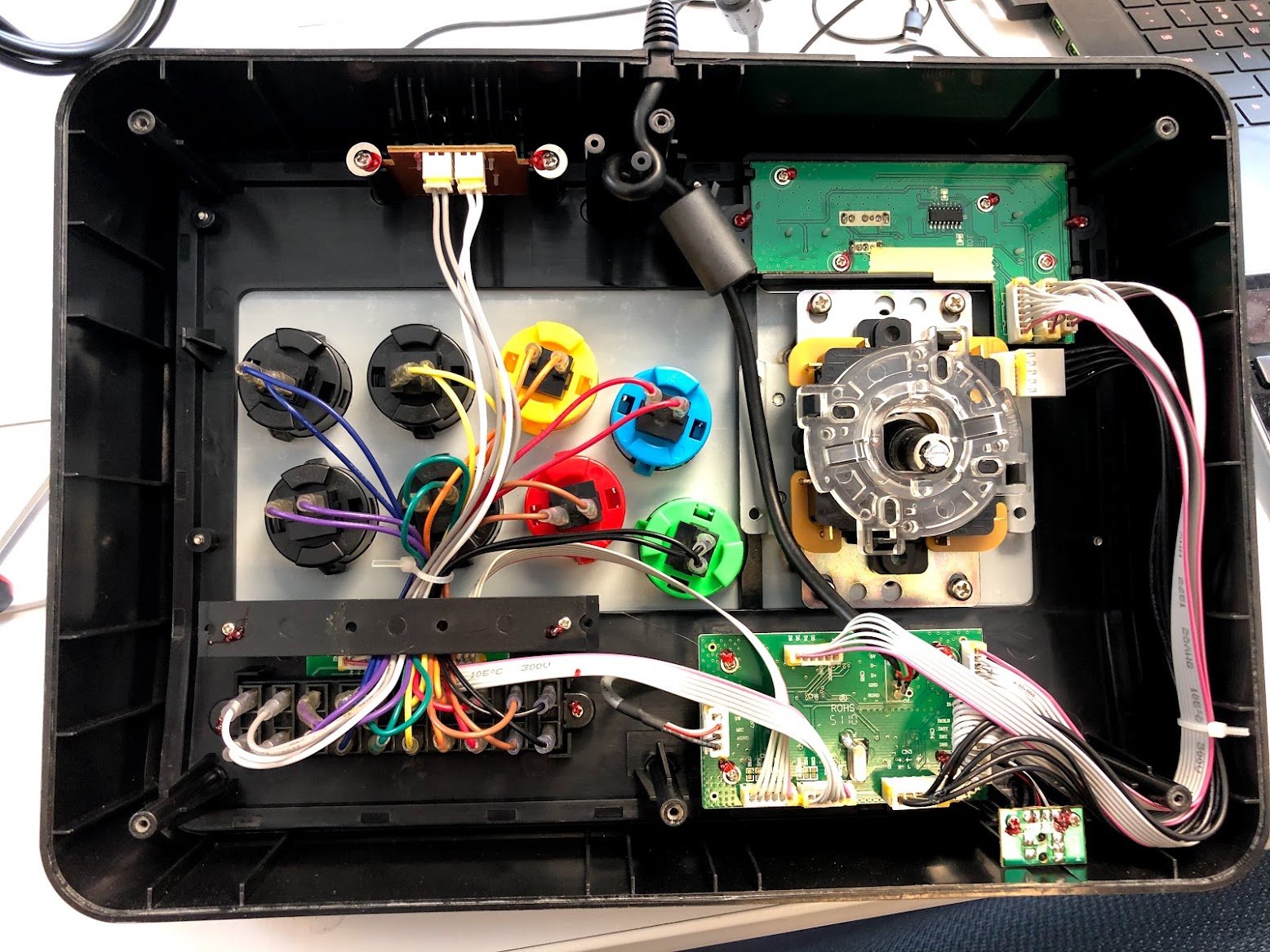
Inside my 8BitDo wireless fight stick after swapping in Sanwa buttons and a Sanwa stick.
Fight stick upgrade
Same idea, smaller scale. I opened up my 8BitDo wireless fight stick and swapped in genuine Sanwa buttons and a Sanwa stick, the same parts you’d find in a Japanese arcade.
From snarky.tech
At home, I’m all in on gadgets, from Apple gear to streaming boxes to an EV charger app that won’t tell me about my own money. When something should work better than it does, I write about it on snarky.tech. Here are some recent posts.
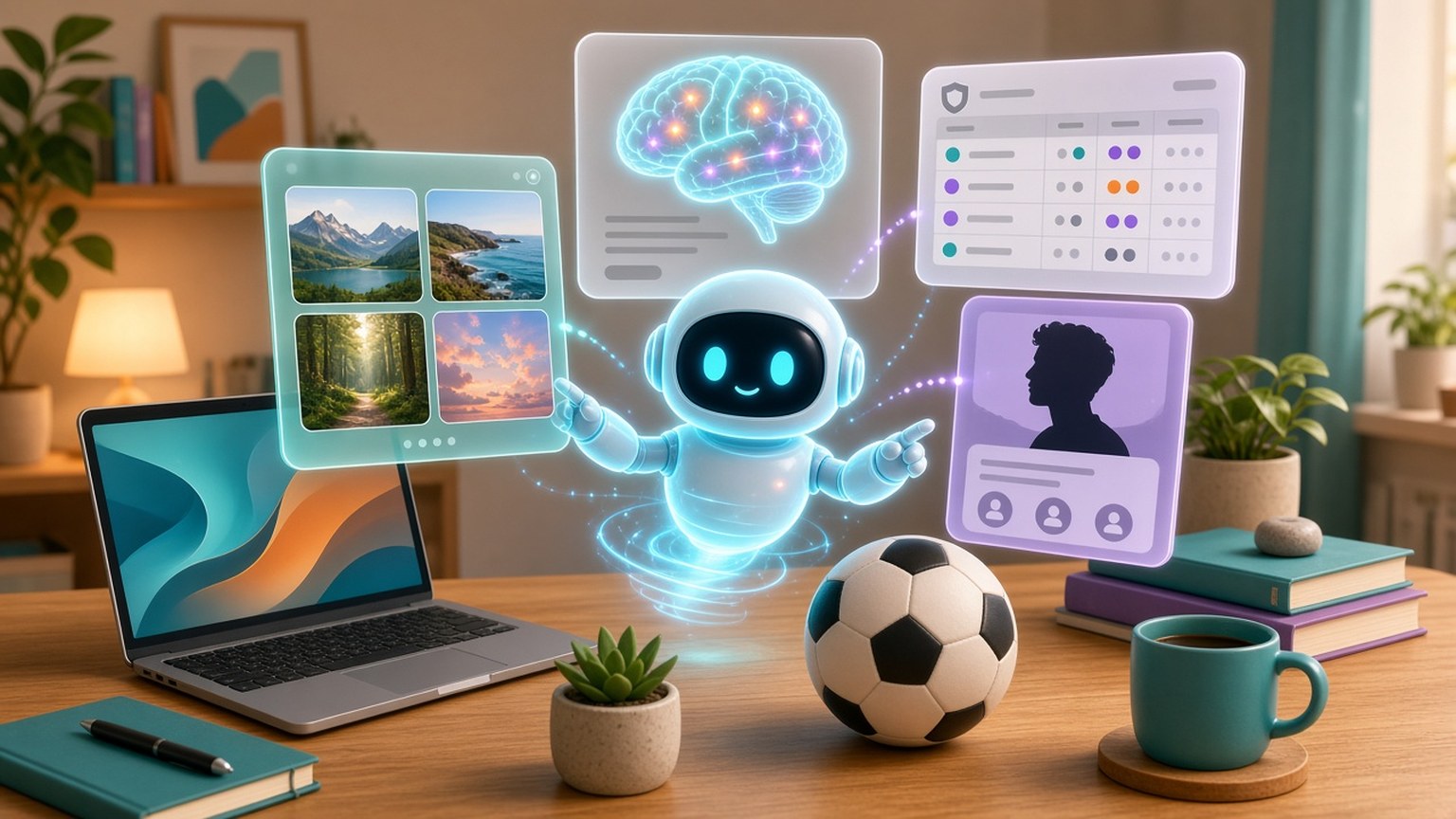
My Website Was a Fossil. Grok Bot Made It Fun Again.
What happened when I pointed an AI desktop assistant at my neglected personal website, plus how it helps at work. No hype, just the list.
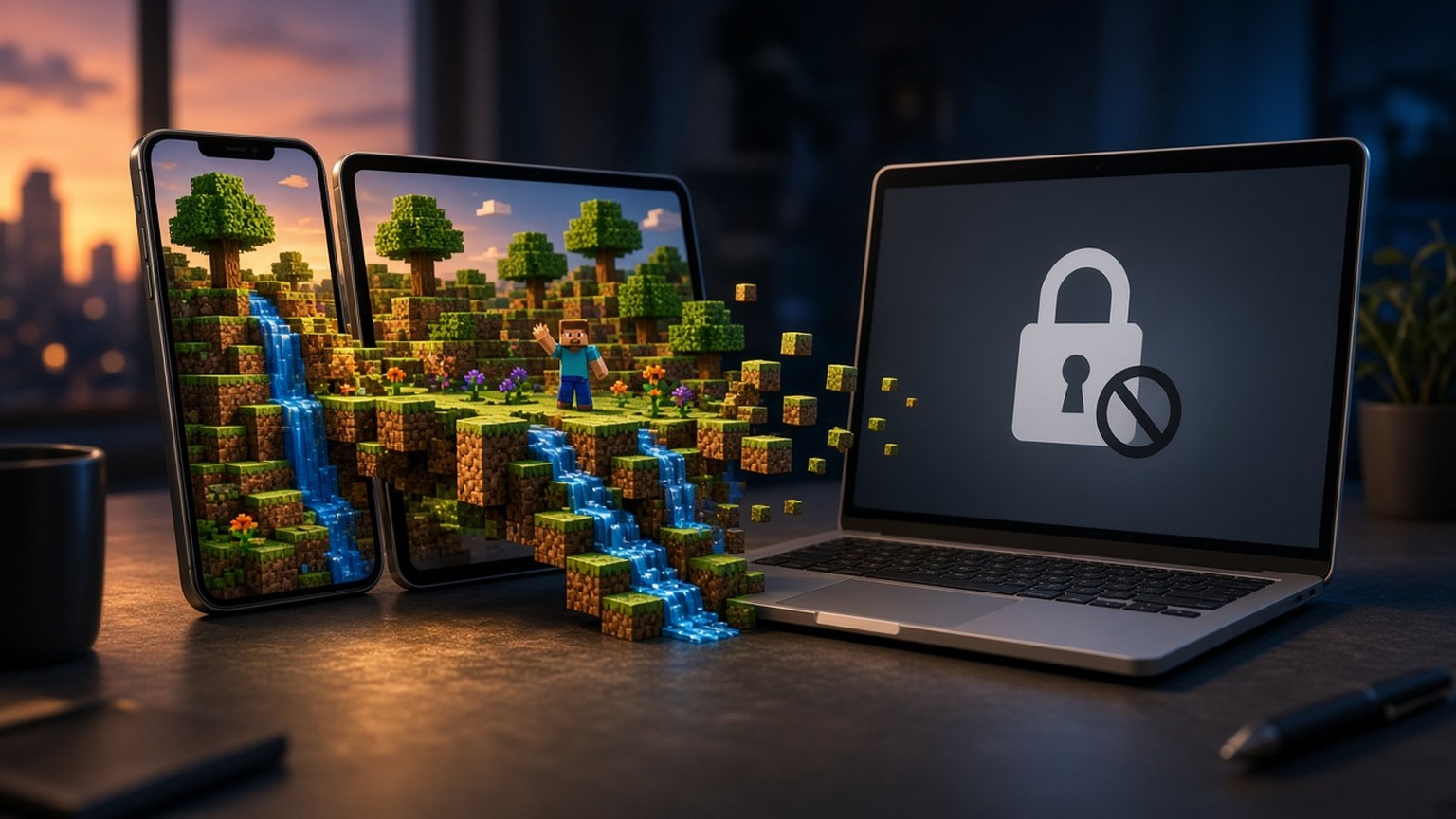
Minecraft Bedrock Runs Great on My iPhone and iPad. My Mac? Apple Lets Microsoft Say No.
The iPhone Duo’s app growing pains are new. Mac users locked out of iPhone and iPad apps by a single checkbox is not, and the touchscreen MacBook Pro makes it even dumber.
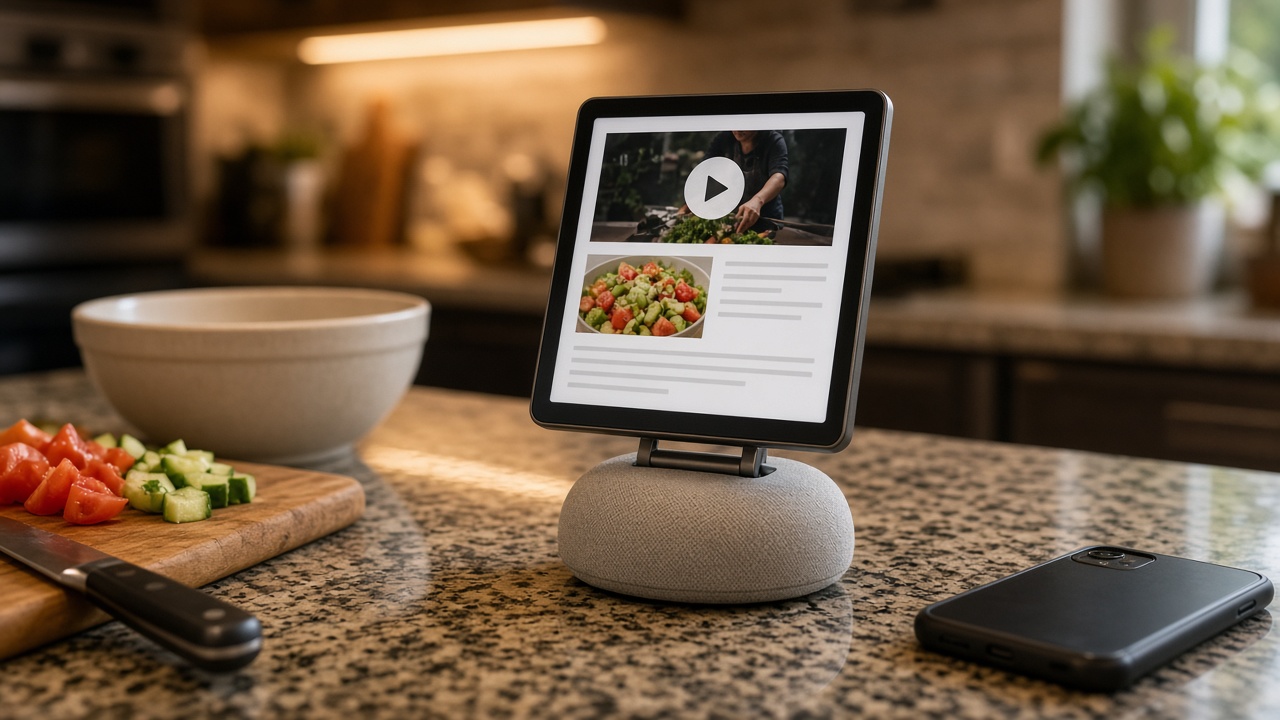
Apple Built a $299 Kitchen Screen. It Can’t Run YouTube or My Recipe App.
Apple’s new HomeView is built for the kitchen, but it has no App Store, no YouTube app, and no way to run a recipe manager like Paprika. Watching YouTube in Safari on a 7-inch square screen is not a plan.
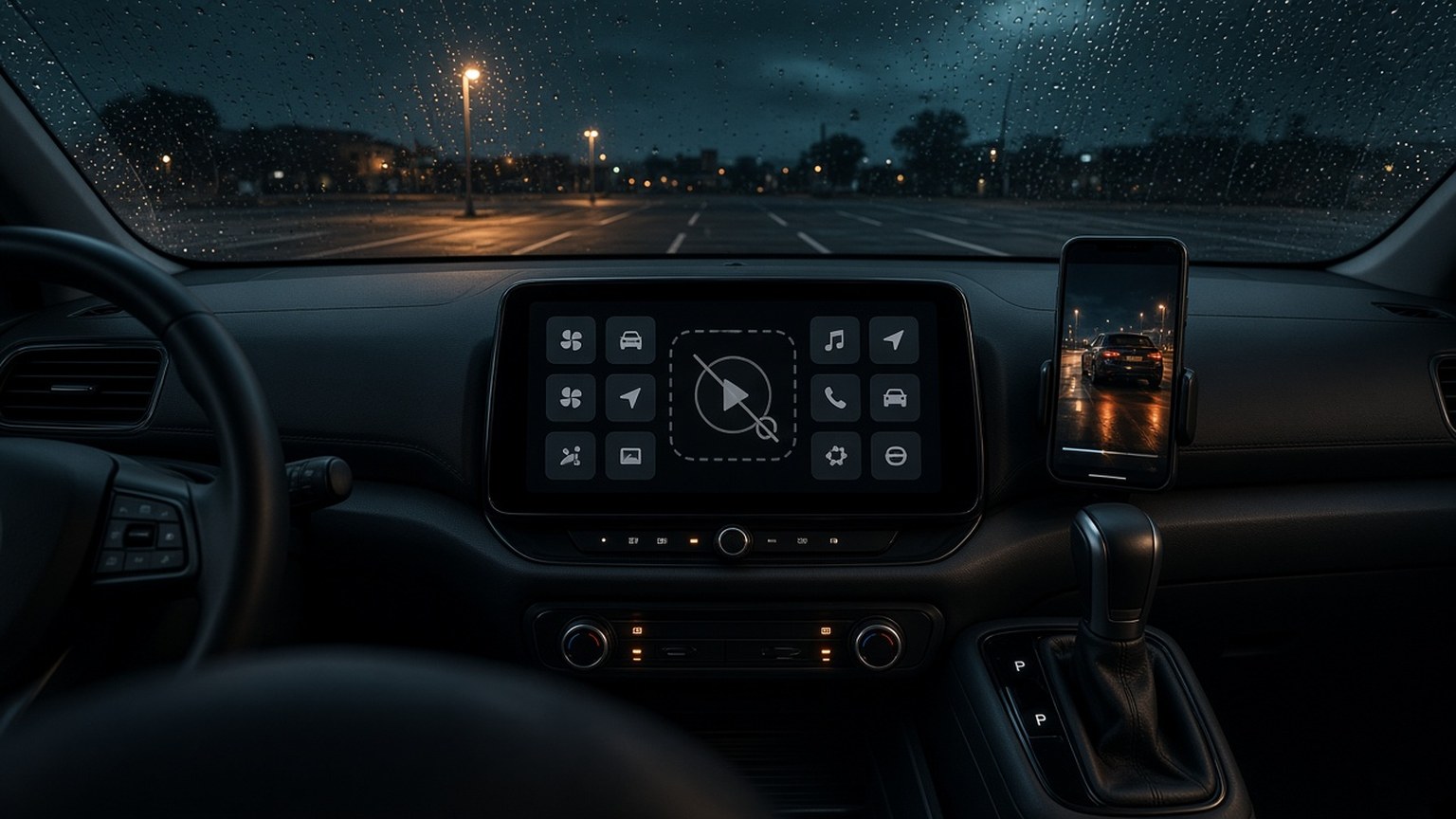
Apple Finally Lets You Watch Video in CarPlay. Too Bad No Car Will Let You.
iOS 26 and iOS 27 brought video to CarPlay while parked. Automakers have to turn it on, and so far none have. Apple, push harder.
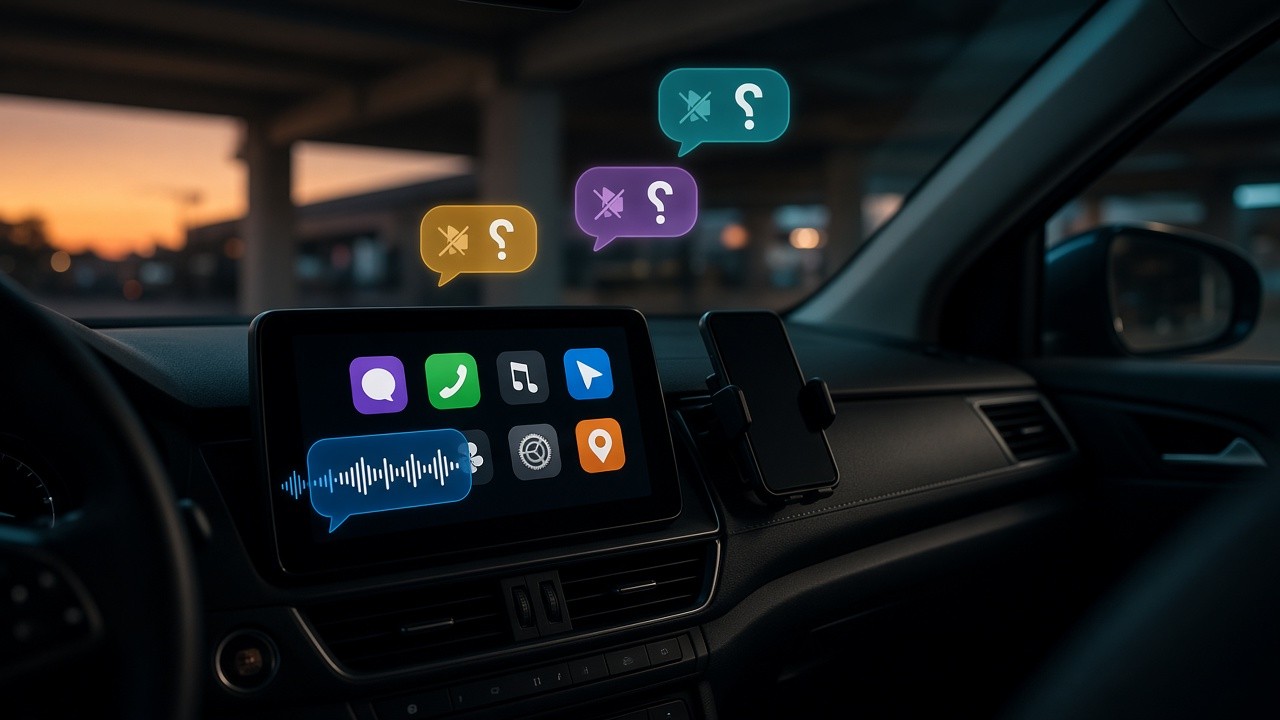
I Can Tell Siri to Send a Facebook Messenger Message in CarPlay. It Just Won’t Read Me the Reply.
Messenger syncs across every device I own and lets Siri send messages from my car. But unlike WhatsApp and Apple Messages, it won’t read me the replies.

ChargePoint Has a Great Notification System. It Just Won’t Tell You About Your Money.
A 25-cent service fee, a $50 card hold and a $7 parking fee on $3 of electricity, and the one alert that mattered showed up an hour late.
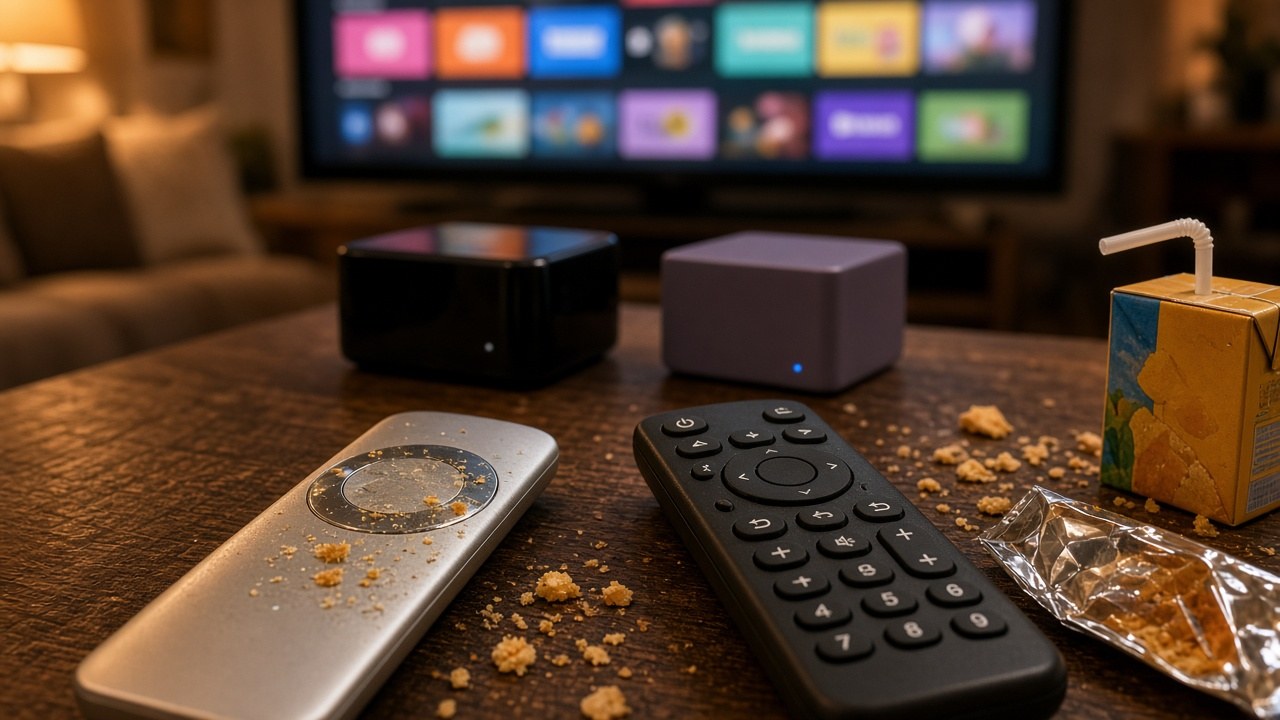
Everyone Loves the Apple TV. Then a Kid Picks Up the Remote.
Tech media loves the Apple TV, but its touchy Siri Remote is a disaster with kids. I swapped it for a $38 button remote, and at $299 versus $149.99, the Roku Ultra makes a lot more sense, home-screen ads and all.
From the snarky.tech archive
- Why YouTube TV Won’t Autoplay on Some of My Roku Devices
- Turn Off the Lights, Get Nagged to Buy New Hardware: The Nest Upsell Problem
- The TPM Tax: Why We’re Throwing Away Better Computers to Buy Worse Ones
- “Private Minecraft Servers Are Illegal”: A Bad Legal Argument, and a Missed Opportunity to Teach Kids Linux
- Why Won’t Apple Let Me Use an iPad for CarPlay?
- Arcade cabinet modification time
🚧 More coming. I’ll keep adding new posts, lab projects and the occasional gadget rant as they happen.